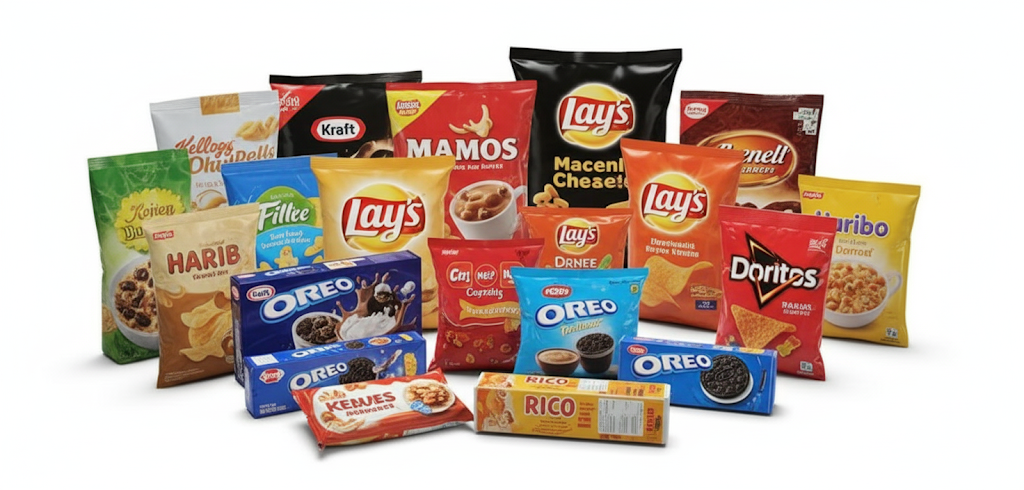
If you run a small food business, you’ve probably felt this pressure before: Orders keep growing, but your production line can’t keep up. Meanwhile, your competitors are investing in automatic packaging machines, doubling their efficiency overnight.
You want to follow their lead—but there’s that nagging question:
What kind of automatic packaging machine do I really need? Can I afford it? And is it actually worth it?
That’s the right question to ask. Pick the wrong machine, and you’ll waste money and time. Pick the right one, and you’ll save on costs, increase output, and boost your brand’s credibility.
Let’s walk through it step by step.
Many business owners make their first mistake right here — they buy what someone else bought.
But your products, output, and budget aren’t the same as anyone else’s.
Before you even look at machines, ask yourself these four questions:
If you only need to pack 500–1,000 items per day, a high-speed full automation system would be a waste. But if you’re pushing 10,000+ units daily and still using manual or semi-automatic systems, you’re losing serious productivity.
Powder, granule, liquid, paste — each needs a different setup.
For example, our Powder Packaging Machine at LTC Pack is purpose-built for fine materials. It ensures accurate dosing and prevents powder leakage. Liquids, however, require specialized sealing systems.
If you regularly switch between 500g and 1kg packs, choose a machine that can change settings quickly. Semi-automatic models can take up to two hours to reset. Fully automatic ones can switch in under five minutes.
A semi-automatic machine may cost ¥50,000–150,000, while a fully automatic VFFS (Vertical Form Fill Seal) machine could range from ¥300,000–800,000+. Don’t just buy the cheapest option — calculate your ROI (return on investment) first.
With so many machines out there, it’s easy to get lost. But for small food producers, you only need to focus on a few key categories.
How it works: Operators manually feed the product and bag, while the machine handles filling, weighing, and sealing.
Best for:
Daily output under 3,000–5,000 units
Businesses with frequent product changes
Limited budgets (usually ¥50,000–200,000)
Pros: Affordable, compact, flexible, easy to maintain Cons: Labor-heavy, limited production capacity
✅ Best choice for new or small businesses starting their automation journey.
How it works: From filling to sealing, the entire process runs automatically. Operators only supervise.
Best for:
Over 5,000 units per day
Stable product specifications
Businesses focused on consistency and efficiency
Budgets above ¥300,000
Pros: High productivity, reduced labor, stable output quality, traceable packaging Cons: Higher upfront cost, requires training and setup
This is the right move once your production reaches a steady, scalable level.
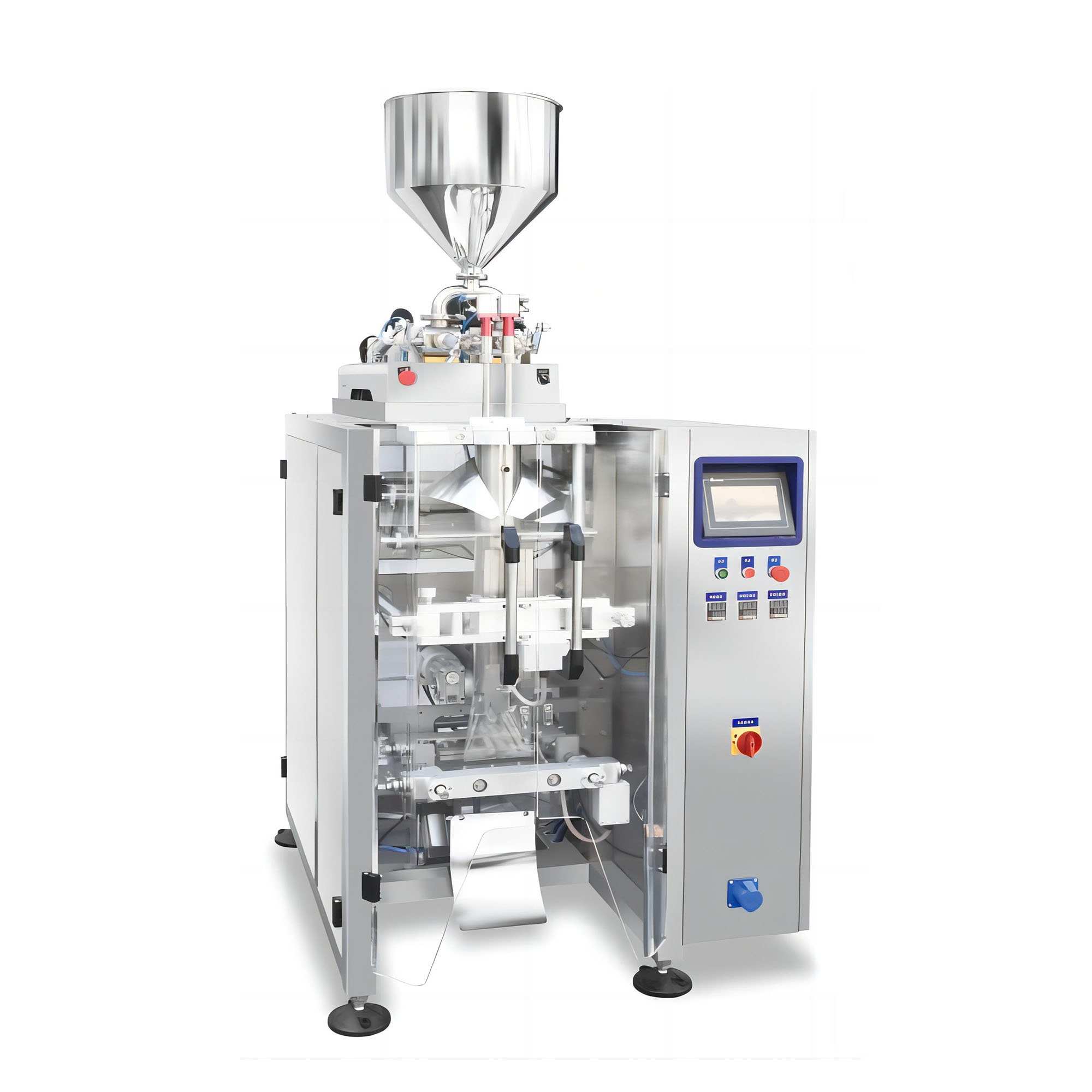
The most popular choice today — these machines form, fill, and seal bags directly from roll film. Everything happens in one continuous process.
Ideal for:
Powders, granules, liquids, or pastes
Businesses that need high-speed, professional-grade packaging
Brands looking for attractive, retail-ready packs
At LTC Bagging System, our VFFS line is specially designed for small and mid-sized producers who want automation without overspending.
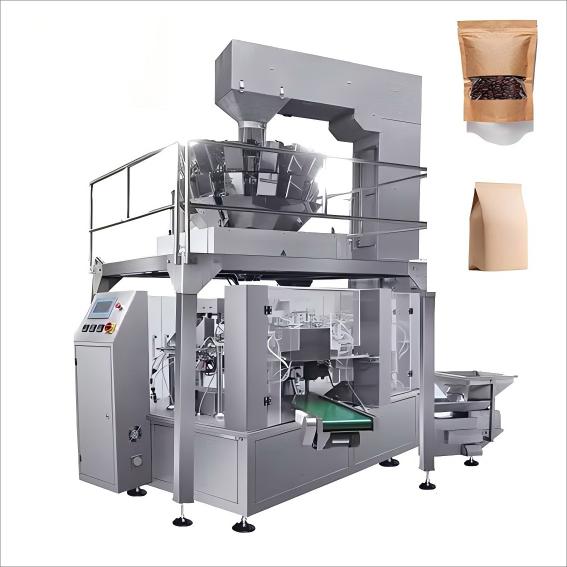
If you already have printed or branded bags, this system fills and seals them directly. A good pouch design can increase customer loyalty by over 20%.
Ideal for: Brands with standardized bag sizes, or those wanting an easy entry point into automation.
This is where you see whether automation truly pays off.
Let’s do the math:
You have 5 workers packing manually. Each earns ¥5,000 per month — that’s ¥300,000 a year. Now you invest in a fully automatic system worth ¥500,000, with annual maintenance at ¥30,000.
Year 1: ¥500,000 (machine) + ¥30,000 (maintenance) – ¥300,000 (labor saved, keeping 2 supervisors = ¥120,000) → Net cost = ¥350,000
Year 2 onward: ¥30,000 + ¥120,000 = ¥150,000 per year, saving ¥150,000 annually compared to before.
✅ ROI period: ¥500,000 / ¥150,000 = ~3.3 years
Not bad — especially since most machines last 8–10 years. That means 6+ years of profit after payback.
And that’s not all. Automation also brings:
Higher production capacity → more orders
Stable product quality → fewer returns
Professional packaging → stronger brand presence
Your actual ROI will likely be even better.
Many buyers focus only on the machine price — but there’s more to consider.
Setup isn’t plug-and-play. You’ll need professional installation and calibration, which can take 1–2 weeks and cost around ¥50,000–100,000. You might also need power or air system upgrades.
Operators must learn how to use, maintain, and troubleshoot the machine. Training typically lasts 3–7 days and costs ¥10,000–30,000. Expect a short adjustment period at first.
Consumables like sealing blades and gaskets need replacement. Budget 3–5% of the purchase price per year for upkeep.
A full VFFS setup needs about 15–20 square meters. If your plant is tight, consider space optimization or expansion.
Now that you understand your needs, let’s find what fits your business stage.
Go for a semi-automatic or small-scale automatic system. Our lightweight VFFS models (¥60,000–200,000) boost efficiency without overspending.
Relate: LTC Bagging System – Powder Packaging Series
Upgrade to a medium-size automatic doypack system — ¥200,000–400,000 range. This is the sweet spot for ROI and performance.
Relate: Premade Pouch Machine | Smart choice for scalable production.
At this stage, consider multiple lines or high-end full automation systems. Though investment reaches ¥800,000–2,000,000+, your per-unit cost plummets — a must for staying competitive.
A cheap machine can cost you more in the long run. The real value lies in service, reliability, and support.
Before you buy, ask these questions:
Do they offer customized solutions or just generic machines?
How fast is their after-sales response?
Is there a local service team for quick repairs?
Do they provide training for your team?
At LTC Bagging System, we focus on custom-built, high-value solutions designed for small and mid-sized producers — not one-size-fits-all machines like you find on weighpack.com or all-fill.com.
Even small businesses can go green, and automation helps you get there.
Here’s how:
Less material waste: precise dosing prevents up to 10% waste from manual errors
Eco-friendly materials: supports biodegradable and recyclable films
Less labeling waste: built-in printing reduces extra plastic labels
Modern customers care about sustainability — and smart packaging shows your brand does too.
Wang, a small snack producer, started out manually packing 1,000 bags per day. As orders grew, he couldn’t keep up.
He invested ¥200,000 in an LTC lightweight VFFS system (15㎡ footprint).
Here’s what changed:
Output grew from 1,000 → 5,000 bags/day
Labor dropped from 5 workers to 2
Packaging looked more professional online
ROI achieved in 1.5 years, saving ¥150,000 annually afterward
Now he says:
“I can finally take larger supermarket and e-commerce orders — because I can guarantee both capacity and quality.”
That’s what the right investment looks like.
Before you make a move, ask yourself:
☑ What’s my current daily output and biggest bottleneck?
☑ What product types am I packaging?
☑ Do I need flexibility for different sizes?
☑ What’s my real budget and payback timeline?
☑ Do I have enough factory space?
☑ Can my workers operate the new system easily?
☑ How strong is the supplier’s local support?
☑ Can the machine handle eco-friendly packaging materials?
☑ Will this setup still meet my needs in 3 years?
Buying a packaging machine is a big decision. Don’t rush it. You’re not choosing the “best” machine — you’re choosing the one that fits you right now.
Every successful business follows the same path: Manual → Semi-Automatic → Fully Automatic → Smart, Multi-Line Production.
Make the right move today, and you’ll free yourself from repetitive work — so you can focus on innovation, branding, and growth.
???? Talk to the LTC Pack Expert Team A 20-minute consultation could save you from a costly mistake — and help you find your ideal solution.
Contact: LTC Bagging System
Phone: +8613337332946
E-mail: [email protected]
Add: Wenzhou, Zhejiang Province, China